Where to Find Reliable Resources for Calculating PVD Coating Capacity
Finding reliable resources to help calculate the capacity of your PVD coating equipment is crucial. One of the best places to start is with the manufacturer's guidelines. Companies like CICEL provide detailed specifications and operational manuals that can guide you. These documents often explain how many items you can coat per hour, depending on the settings you use. Additionally, you can look for industry reports and research papers that discuss production techniques and efficiency in pvd vacuum coating. These resources can offer insights into best practices and benchmarks. Online forums and community groups are also valuable. Engaging with others in the field can give you real-world advice and tips that you might not find in official documents. Websites dedicated to manufacturing and engineering often have articles and case studies that break down capacity calculations. Make sure to cross-check information from multiple sources to ensure accuracy.
What Wholesale Buyers Need to Know About PVD Coating Equipment Capacity
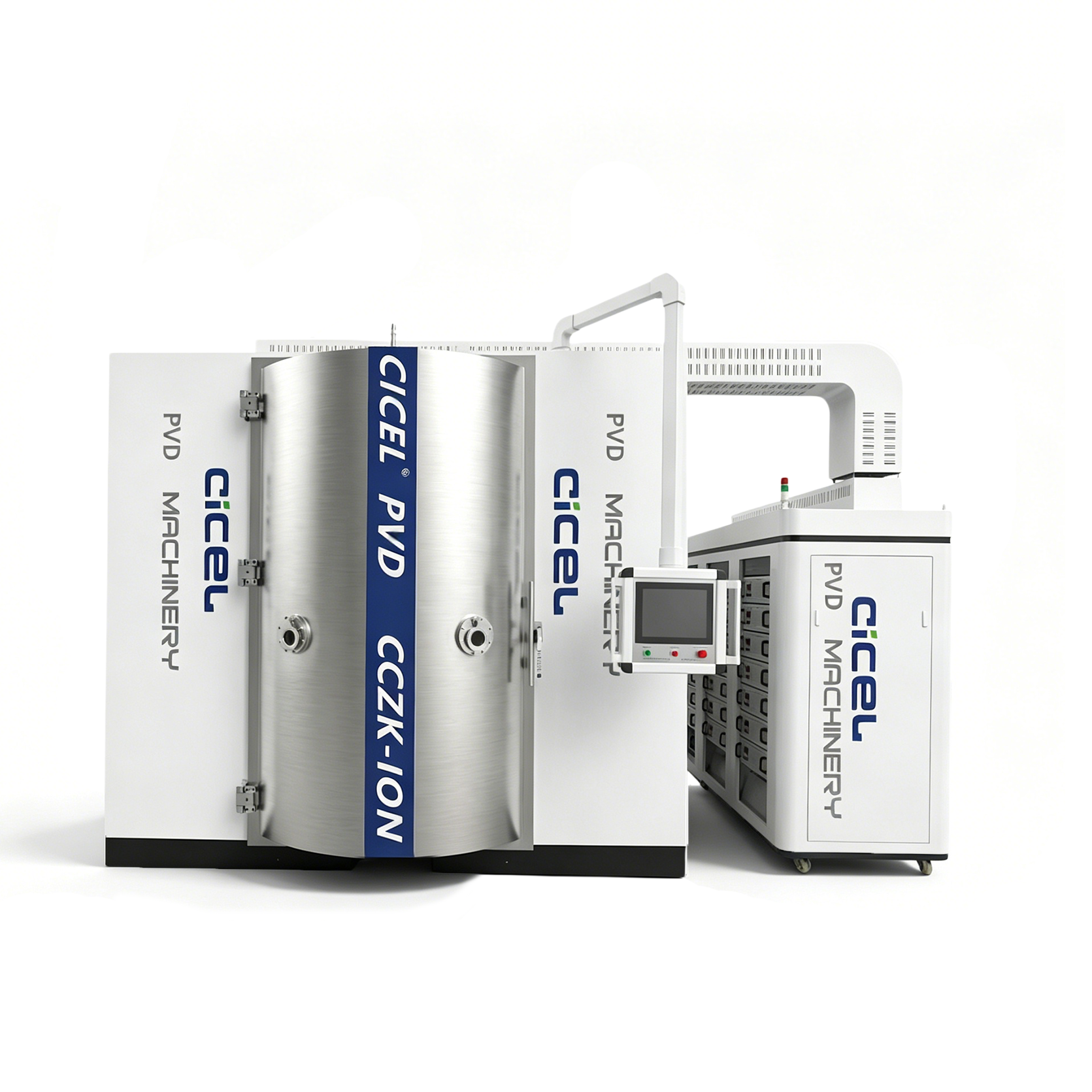
Wholesale buyers looking to purchase PVD coating equipment should be aware of various factors that affect its capacity. First, they should understand the specific needs of their production line. Knowing the volume of parts they need coated and the turnaround time can help them choose the right equipment. For example, if a buyer needs to coat thousands of parts quickly, they might need a high-capacity machine that can handle large batches at once. Buyers should also consider the type of coating materials available and how they affect the speed and quality of the coating process. Different materials may require different techniques, impacting overall capacity. It's also wise for buyers to ask about the machine’s maintenance needs. Regular upkeep can prevent downtime, which directly affects how many parts can be coated in a given period. Lastly, understanding the technical support available from manufacturers like CICEL is vital. Good support ensures that any issues can be resolved quickly, keeping production running smoothly. When these factors are considered, wholesale buyers can make informed decisions that align with their production goals and ensure they get the most out of their PVD coating equipment.
How to Match Your Production Capacity with Market Demand in PVD Coatings
When you run a business that uses PVD (Physical Vapor Deposition) coatings, you want to make sure you have the right amount of product for your customers. This is called matching your production capacity with market demand. First, you need to know how much your customers want. This can change quickly, so it’s important to stay updated. Talk to your customers and keep an eye on trends in your industry. For example, if more people are buying smartphones, you might need to make more coatings for phone parts. Next, look at how much your equipment, like the pvd vacuum coating machine from CICEL, can produce. Each machine has a limit on how much it can make in a day or week. You should know these limits so you can plan better. Let’s say your machine can coat 100 parts a day. If your customers want 150 parts, you have a problem. You need to figure out how to meet that demand. This could mean running your machines longer, adding more machines, or finding ways to make your process faster. Another important part is keeping track of your production numbers.
What Are the Best Practices for Evaluating PVD Vacuum Coating Equipment Capacity?
Evaluating the capacity of your PVD vacuum coating equipment is very important. First, you need to understand how your machine works. Each piece of equipment has specifications that tell you how much it can produce. For example, CICEL machines have detailed guides. These guides can help you understand how many parts you can coat in a certain time. Another best practice is to talk to your team. Your operators know the machines well and can give you valuable insights. They can tell you if the machines are running smoothly or if they face issues. Listening to their feedback can help you make better decisions about your equipment. Finally, keep learning about new technologies. PVD coatings are always evolving, and staying updated can give you a competitive edge. Attend workshops, read articles, and connect with other businesses in your field. By following these best practices, you can ensure that your PVD vacuum coating equipment is always ready to meet your production needs.
How to Troubleshoot Production Capacity Issues in PVD Vacuum Coating Systems
Sometimes, you may face problems with your production capacity in PVD vacuum coating systems. Troubleshooting these issues is important to keep your business running smoothly. First, start by checking your machines. Look for any signs of wear and tear. If your CICEL equipment is not functioning well, it might be because of a simple issue like a clogged filter or a worn-out part. Regular maintenance can help prevent these problems. Make sure to follow the maintenance schedule and replace parts as needed. Another thing to consider is the environment where your machines are operating. pvd vacuum coating machine price requires a clean and controlled environment. If there is too much dust, humidity, or temperature changes, it can affect the quality and quantity of your production. Make sure your workspace is clean and that you have good ventilation in place. troubleshooting production capacity issues means checking your machines, using good materials, maintaining a clean environment, and communicating with your team. By addressing these areas, you can improve your PVD coating production and keep your customers happy.